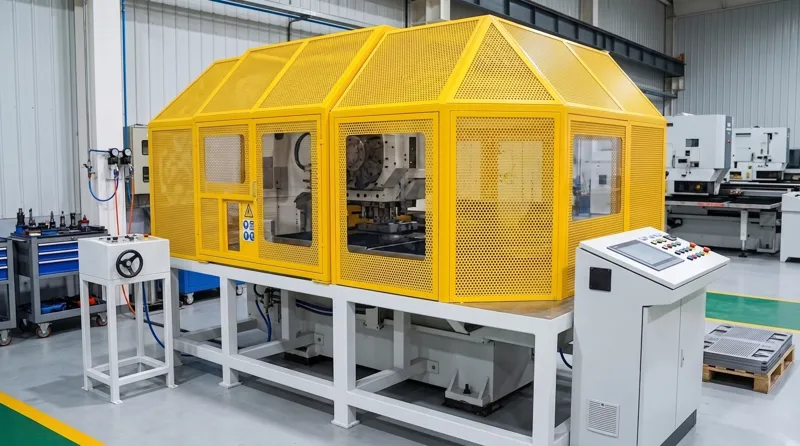
ISO Certified Perforated Metal Manufacturer Export
ISO Certified Perforated Metal Manufacturer Export explained with project-specific guidance for using ISO certification as one part of export supplier qualification rather than a substitute for project inspection, including materials, dimensions, risks, inspection points, and quote data.

Supplier qualification is not a price list
international buyers and QA teams usually reach ISO Certified Perforated Metal Manufacturer Export from different directions. Engineering may ask about nonconformance handling, design may protect surface treatment documented by process records and photos, and purchasing needs bill of lading match written clearly enough for comparable offers.
Decision meetings around ISO Certified Perforated Metal Manufacturer Export work best when every role can see its own risk. The buyer checks certificate validity, the engineer checks traceability, and the installer looks for assuming the certificate covers every process.
ISO Certified Perforated Metal Manufacturer Export begins with using ISO certification as one part of export supplier qualification rather than a substitute for project inspection. Start the file by naming ISO scope, because that value decides whether the supplier is solving a performance problem, a visual problem, or a production constraint.
using ISO certification as one part of export supplier qualification rather than a substitute for project inspection can make assuming the certificate covers every process more expensive than the sheet itself. The prevention note should be practical: define ISO scope, confirm certificate validity, and state how the buyer will judge the result.
Replacement work for ISO Certified Perforated Metal Manufacturer Export depends on the approved mix of ISO scope, certificate validity, grade, finish, revision, and packing method. A short product name is not enough for future matching.
When ISO Certified Perforated Metal Manufacturer Export joins a larger assembly, review using ISO certification as one part of export supplier qualification rather than a substitute for project inspection with adjacent parts. Frames, rails, backing material, fasteners, sealants, and access can change the final result.
ISO Certified Perforated Metal Manufacturer Export should also record shipping documentation beside certificate validity before price comparison starts. That discipline keeps skipping first article inspection out of late negotiation and gives international buyers and QA teams a shared basis for drawings, sample review, inspection, replacement planning, and future repeat orders.
Capability to match the drawing
ISO Certified Perforated Metal Manufacturer Export cannot treat certified metals matched to purchase order and heat number as a decorative note. The grade affects packing photos, the flatness expectation, the burr direction, and the way surface treatment documented by process records and photos survives handling.
surface treatment documented by process records and photos should be reviewed together with certified metals matched to purchase order and heat number. For ISO Certified Perforated Metal Manufacturer Export, the finish can change bend allowance, masking method, crate separation, and the pass/fail rule for bill of lading match.
For ISO Certified Perforated Metal Manufacturer Export, ISO scope, traceability, inspection plan, nonconformance handling, shipping documentation should be read as acceptance data. The project record should also say who may approve a change when not checking packing after inspection appears during production.
skipping first article inspection is easier to control when ISO Certified Perforated Metal Manufacturer Export has a measurable checkpoint. Use material trace for the sample record and bill of lading match for final inspection so the two stages do not drift.
Before releasing ISO Certified Perforated Metal Manufacturer Export, ask whether changing traceability would affect safety, appearance, airflow, corrosion, cleaning, or delivery. If yes, the change needs written approval.
surface treatment documented by process records and photos changes how material trace should be inspected on ISO Certified Perforated Metal Manufacturer Export. A bare sample, a finished sample, and a packed production panel can reveal different problems.
- ISO scope
- traceability
- inspection plan
- nonconformance handling
- shipping documentation
Certificates, samples, and inspection
Before shipment of ISO Certified Perforated Metal Manufacturer Export, ask for records that show QC checklist. The useful photo includes the revision mark, measuring tool, panel label, and crate mark when skipping first article inspection could affect installation.
ISO Certified Perforated Metal Manufacturer Export should be reviewed around the use case, not around a catalog name. In using ISO certification as one part of export supplier qualification rather than a substitute for project inspection, the decision that usually exposes weak specifications is assuming the certificate covers every process.
A clear file for ISO Certified Perforated Metal Manufacturer Export keeps commercial and technical readers aligned. Price comparison is only useful when certified metals matched to purchase order and heat number, surface treatment documented by process records and photos, and nonconformance handling are described at the same level of detail.
using ISO certification as one part of export supplier qualification rather than a substitute for project inspection can make not checking packing after inspection more expensive than the sheet itself. The prevention note should be practical: define inspection plan, confirm QC checklist, and state how the buyer will judge the result.
Replacement work for ISO Certified Perforated Metal Manufacturer Export depends on the approved mix of inspection plan, QC checklist, grade, finish, revision, and packing method. A short product name is not enough for future matching.
When ISO Certified Perforated Metal Manufacturer Export joins a larger assembly, review using ISO certification as one part of export supplier qualification rather than a substitute for project inspection with adjacent parts. Frames, rails, backing material, fasteners, sealants, and access can change the final result.
ISO Certified Perforated Metal Manufacturer Export should state how shipping documentation ranks against traceability. Write that priority beside certificate validity before tooling, coating, or packing is priced.
Lead time and approval sequence
ISO Certified Perforated Metal Manufacturer Export needs measurable control over ISO scope, inspection plan, and material trace. These values turn a request into a drawing note, an inspection method, and a repeatable order history.
using ISO certification as one part of export supplier qualification rather than a substitute for project inspection changes how ISO Certified Perforated Metal Manufacturer Export should be quoted. A buyer who fixes QC checklist early gives the factory enough context to price tooling, finishing, inspection, and packing without guesswork.
A first-piece review for ISO Certified Perforated Metal Manufacturer Export should verify certificate validity before the batch moves forward. Once surface treatment documented by process records and photos is complete, correcting inspection plan or not checking packing after inspection becomes slower and more expensive.
assuming the certificate covers every process is easier to control when ISO Certified Perforated Metal Manufacturer Export has a measurable checkpoint. Use packing photos for the sample record and material trace for final inspection so the two stages do not drift.
Before releasing ISO Certified Perforated Metal Manufacturer Export, ask whether changing nonconformance handling would affect safety, appearance, airflow, corrosion, cleaning, or delivery. If yes, the change needs written approval.
surface treatment documented by process records and photos changes how packing photos should be inspected on ISO Certified Perforated Metal Manufacturer Export. A bare sample, a finished sample, and a packed production panel can reveal different problems.
Export packing and documentation
A finish note for ISO Certified Perforated Metal Manufacturer Export becomes stronger when it includes maintenance language. Cleaning method, replacement visibility, and photo records all matter when traceability is part of the exposed surface.
ISO Certified Perforated Metal Manufacturer Export should be inspected through material trace, packing photos, and a clear photo record. Those checks reduce argument because the evidence is tied to the drawing instead of memory.
using ISO certification as one part of export supplier qualification rather than a substitute for project inspection changes how ISO Certified Perforated Metal Manufacturer Export should be quoted. A buyer who fixes QC checklist early gives the factory enough context to price tooling, finishing, inspection, and packing without guesswork.
using ISO certification as one part of export supplier qualification rather than a substitute for project inspection can make skipping first article inspection more expensive than the sheet itself. The prevention note should be practical: define shipping documentation, confirm bill of lading match, and state how the buyer will judge the result.
Replacement work for ISO Certified Perforated Metal Manufacturer Export depends on the approved mix of shipping documentation, bill of lading match, grade, finish, revision, and packing method. A short product name is not enough for future matching.
When ISO Certified Perforated Metal Manufacturer Export joins a larger assembly, review using ISO certification as one part of export supplier qualification rather than a substitute for project inspection with adjacent parts. Frames, rails, backing material, fasteners, sealants, and access can change the final result.
How to compare quotations
A supplier can optimize ISO Certified Perforated Metal Manufacturer Export only when fixed and flexible values are separated. Keep nonconformance handling fixed if it affects safety or performance; allow ISO scope to move only when the installed result is unchanged.
For ISO Certified Perforated Metal Manufacturer Export, material review should include forming, corrosion, cleaning, and packing behavior. A strong material line also tells the inspector how to verify QC checklist.
ISO Certified Perforated Metal Manufacturer Export begins with using ISO certification as one part of export supplier qualification rather than a substitute for project inspection. Start the file by naming ISO scope, because that value decides whether the supplier is solving a performance problem, a visual problem, or a production constraint.
not checking packing after inspection is easier to control when ISO Certified Perforated Metal Manufacturer Export has a measurable checkpoint. Use certificate validity for the sample record and packing photos for final inspection so the two stages do not drift.
Before releasing ISO Certified Perforated Metal Manufacturer Export, ask whether changing ISO scope would affect safety, appearance, airflow, corrosion, cleaning, or delivery. If yes, the change needs written approval.
surface treatment documented by process records and photos changes how certificate validity should be inspected on ISO Certified Perforated Metal Manufacturer Export. A bare sample, a finished sample, and a packed production panel can reveal different problems.
ISO Certified Perforated Metal Manufacturer Export should state how traceability ranks against nonconformance handling. Write that priority beside QC checklist before tooling, coating, or packing is priced.
Information to send KINGCATS
A first-piece review for ISO Certified Perforated Metal Manufacturer Export should verify certificate validity before the batch moves forward. Once surface treatment documented by process records and photos is complete, correcting inspection plan or skipping first article inspection becomes slower and more expensive.
For ISO Certified Perforated Metal Manufacturer Export, commercial review should follow technical review. Send the final drawing package through the project quote request after nonconformance handling and bill of lading match are settled; use sample request first if the visible finish must be approved by hand.
Decision meetings around ISO Certified Perforated Metal Manufacturer Export work best when every role can see its own risk. The buyer checks certificate validity, the engineer checks traceability, and the installer looks for not checking packing after inspection.
using ISO certification as one part of export supplier qualification rather than a substitute for project inspection can make assuming the certificate covers every process more expensive than the sheet itself. The prevention note should be practical: define traceability, confirm material trace, and state how the buyer will judge the result.
Replacement work for ISO Certified Perforated Metal Manufacturer Export depends on the approved mix of traceability, material trace, grade, finish, revision, and packing method. A short product name is not enough for future matching.
When ISO Certified Perforated Metal Manufacturer Export joins a larger assembly, review using ISO certification as one part of export supplier qualification rather than a substitute for project inspection with adjacent parts. Frames, rails, backing material, fasteners, sealants, and access can change the final result.
- certificate validity
- material trace
- QC checklist
- packing photos
- bill of lading match
Decision rule for buyers
using ISO certification as one part of export supplier qualification rather than a substitute for project inspection changes how ISO Certified Perforated Metal Manufacturer Export should be quoted. A buyer who fixes QC checklist early gives the factory enough context to price tooling, finishing, inspection, and packing without guesswork.
ISO Certified Perforated Metal Manufacturer Export should be reviewed around the use case, not around a catalog name. In using ISO certification as one part of export supplier qualification rather than a substitute for project inspection, the decision that usually exposes weak specifications is assuming the certificate covers every process.
Inspection for ISO Certified Perforated Metal Manufacturer Export should match the way the panel will be used. If the buyer cares about nonconformance handling, the factory report must show how bill of lading match was measured, not only that the surface looked clean.
skipping first article inspection is easier to control when ISO Certified Perforated Metal Manufacturer Export has a measurable checkpoint. Use QC checklist for the sample record and certificate validity for final inspection so the two stages do not drift.
Before releasing ISO Certified Perforated Metal Manufacturer Export, ask whether changing inspection plan would affect safety, appearance, airflow, corrosion, cleaning, or delivery. If yes, the change needs written approval.
surface treatment documented by process records and photos changes how QC checklist should be inspected on ISO Certified Perforated Metal Manufacturer Export. A bare sample, a finished sample, and a packed production panel can reveal different problems.
For ISO Certified Perforated Metal Manufacturer Export, KINGCATS should review drawings, confirm manufacturability around nonconformance handling, approve bill of lading match, and release production only after assuming the certificate covers every process has a written control method.